Recovering from a Fall: How Families Can Offer Support and Care for their Loved Ones
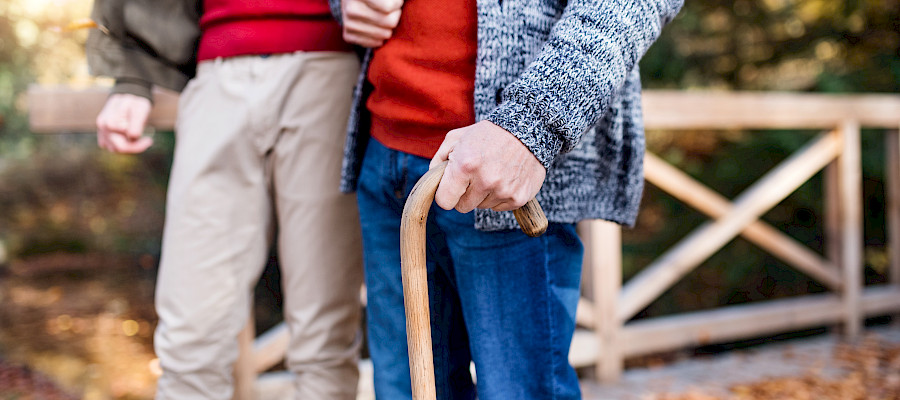
Assisting Loved Ones After a Fall
A fall can be a worrying and unexpected event, especially for older adults. While it’s not something we often think about until it happens, knowing how to respond with care can help make the recovery process a little easier. If you or a loved one has experienced a fall, it’s important to take thoughtful steps to ensure proper recovery and prevent future falls, while also focusing on the emotional well-being of those involved.
Seeking Medical Attention: A First Step to Recovery
After a fall, it’s always a good idea to seek medical attention, even if everything seems fine at first. Sometimes, injuries aren’t immediately visible, and a check-up can provide peace of mind. Whether it’s a minor bruise or something more serious, it’s always worth getting checked by a professional.
If there are existing health conditions like arthritis, vision issues, or balance concerns, it might be helpful to discuss them with your doctor. They can offer guidance and ensure there are no underlying issues contributing to the fall. Medications that cause dizziness or fatigue should also be reviewed with your doctor, as they might increase the risk of falling.
Creating a Safe Home Environment
Once the immediate medical concerns are addressed, it’s a good time to take a look at the environment where the fall happened. Often, small changes can make a big difference in preventing future falls. Simple things like securing rugs, decluttering walkways, or adding extra lighting in dark areas can make a home feel much safer.
Taking a little time to address these things can help reduce the chances of another fall. It might also be helpful to check out our previous tips for making your home safer – sometimes the smallest adjustments can really make a big impact.
Rebuilding Strength with Physical Therapy
As recovery continues, physical therapy can be a helpful way to regain strength, balance, and flexibility. A therapist can guide exercises tailored to an individual’s specific needs, which can improve mobility and help prevent further falls. These exercises are designed to be gentle and manageable, and they can support both physical recovery and overall well-being.
It’s great to stay active in a way that feels comfortable, and regular exercise is a key part of building confidence again. If physical therapy is recommended, it can help rebuild not just physical strength, but also a sense of independence.
Offering Emotional Support and Encouragement
Recovering from a fall is as much about emotional recovery as it is about physical healing. It’s completely normal for someone to feel anxious, frustrated, or worried about falling again. Offering reassurance and support can help ease these feelings.
Encourage your loved one to stay involved in the activities they enjoy and to keep moving at their own pace. It’s important not to rush them, but a little positivity can go a long way in helping them feel more confident as they recover. Even if they need a walking aid, it’s helpful to gently remind them that using it can make a real difference in their safety.
If you notice that they’re feeling down or fearful, don’t hesitate to reach out to a counselor or therapist. Sometimes having someone to talk to can really help them work through any emotional hurdles after the fall.
Considering Extra Support
For those who’ve had an injury from a fall, a home carer can be a great help during recovery. Carers are there to assist with daily tasks, support physical therapy exercises, and provide some much-needed companionship. They can also help with things like bathing, dressing, and managing medications, which can be challenging when dealing with an injury.
Having a carer around can make a world of difference, not just physically, but emotionally too. They can provide the comfort and reassurance that comes with knowing someone is there when needed.
The Importance of Sharing What Happened
It’s easy to feel embarrassed or frustrated after a fall, but it’s important to share what’s happened, especially if you live alone. Letting a loved one know about a fall ensures that they can step in to offer support or make the home environment safer.
By being open about falls, you help create a safer, more supportive environment, which in turn can help preserve independence. Even small adjustments in the home can make a big difference in preventing future falls, and it’s all about creating a space where everyone feels secure and comfortable.
In Conclusion
Recovering from a fall is a process that involves both physical healing and emotional support. It’s about finding a balance between taking care of the body and offering reassurance along the way. With the right steps, whether it’s seeking medical attention, adjusting the home, or providing emotional support, recovery can feel more manageable.
If you or a loved one has experienced a fall, know that there’s no need to go through it alone. Small steps, both practical and emotional, can make a big difference in recovery. And if you ever need additional help, we’re here to offer support and guidance every step of the way.
This article was last updated on April 28th 2025 by CareYourWay

- 01548 721930
- enquiries@careyourway.co.uk
Registered Office:
CareYourWay
Little Spires
Totnes
Devon
TQ9 7QE
National Office
Main Links
Our Care Services
Work with UsWe're hiring!